Infant Swimming Lessons Singapore – 5 Best Reasons to Start
Starting early — often from 4–6 months with gentle, parent-accompanied classes — lays the foundation for safety.
By Carol Koh · Fabulous Swim School
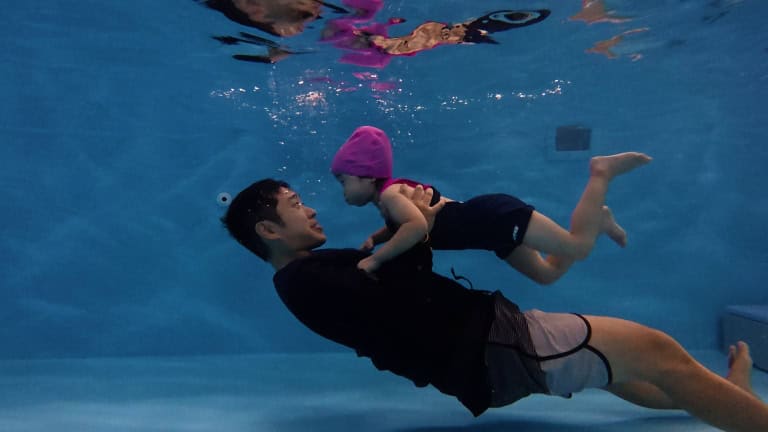
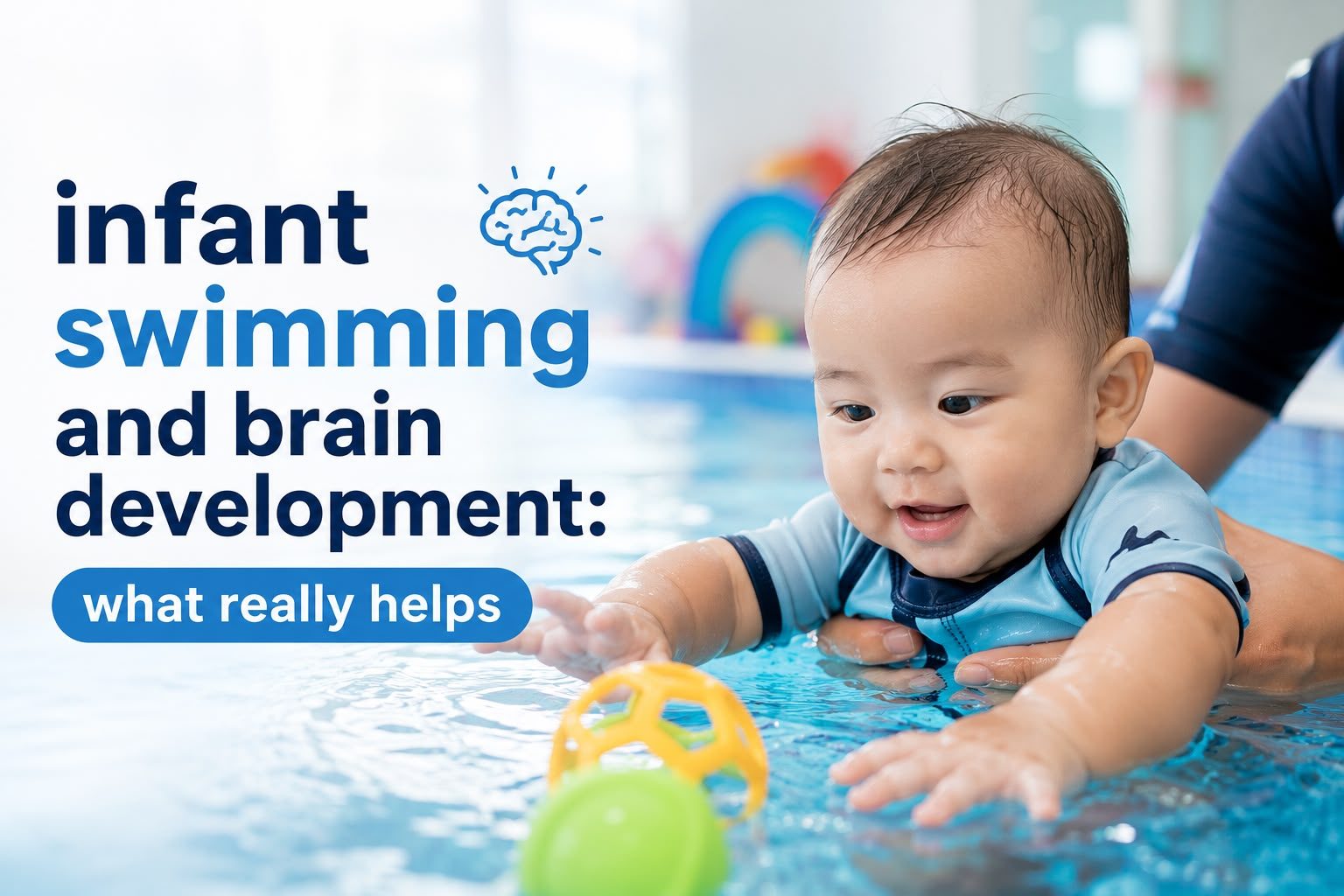
Thinking about infant swimming lessons in Singapore? Starting early — often from 4–6 months with gentle, parent-accompanied classes — lays the foundation for safety, confidence and joyful water play.
1) Water Safety & Drowning Prevention
While no single measure "drown-proofs" a child, early, age-appropriate lessons add an important layer of protection alongside vigilant adult supervision and barriers. As comfort grows, infants begin recognising cues like "ready — go", practise calm back-float positions with a parent's support, and learn simple wall skills such as "reach-and-hold".
2) Physical Development & Motor Skills
Warm water offers gentle resistance that strengthens core, neck and postural muscles without impact. Babies explore symmetrical kicks, reach-and-grasp patterns and balance reactions that support milestones such as rolling, crawling and walking.
3) Confidence Building & Fear Reduction
Regular, positive exposure in a calm environment prevents fear from taking root. Predictable routines (welcome song, bubble cues, "starfish" floats) help babies anticipate what's next.
4) Cognitive & Social Growth
Infant classes build attention, memory and language via short cue words ("bubbles", "ready — go") and turn-taking games. In small groups, peer modelling is powerful.
5) Parent–Child Bonding
Parent-accompanied sessions are a beautiful way to connect. Skin-to-skin contact, shared success and calm movement create warm, secure associations with water.
When to Start & Readiness Signs
Many families start gentle, parent-led water time from 4–6 months (head/neck well supported). Formal, skill-oriented lessons typically expand from age 1+.
- Readiness signs: holds head steadily; tolerates bath; enjoys gentle sprinkling; settles with parent cuddles.
- Session length: 15–25 minutes for infants; stop before fatigue or fussiness.
- Water temperature: typically kept around ~32–34°C.
What a First Lesson Looks Like (20–25 Minutes)
- Warm welcome (3–4 min): Cuddle holds; toe splashes; sprinkle shoulders and back.
- Bubble play (3–4 min): Parents blow bubbles; babies watch, then try. Short "in-out" dips only if curious — never forced.
- Supported starfish (3–4 min): Back float with ears in, parent supporting head and shoulders.
- Wall skills (3–4 min): "Monkey walks" along the wall; gentle reach-and-hold; practise a safe exit.
- Motorboat kicks (3–4 min): "Motorboat, motorboat, go so slow… now go so fast!"
- Calm close (3–4 min): Slow back float or cuddle; warm rinse. Always finish on a win.
FAQs
Is it really safe to start at 4–6 months?
Yes — when sessions are brief, warm and parent-accompanied. We focus on comfort and cues, not "drown-proofing". Vigilant supervision remains essential.
How warm should the pool be for infants?
We keep infant sessions around ~32–34°C so babies can relax, breathe steadily and enjoy longer, happier sets.
Do babies actually "learn to swim" this young?
Think foundations: calm face-in, bubbles, wall holds and relaxed floats. Formal strokes come later — these early wins make future learning easier.
What if my baby cries?
We shorten and simplify the set, return to a favourite game, and finish on a win. Next week starts fresher and happier.
Ready to get your child swimming?
Book a trial at our warm indoor heated pool.
Originally published on fabulousswim.com